The Rise of Music Catalog Sales: What it Means for the Future of Hip Hop
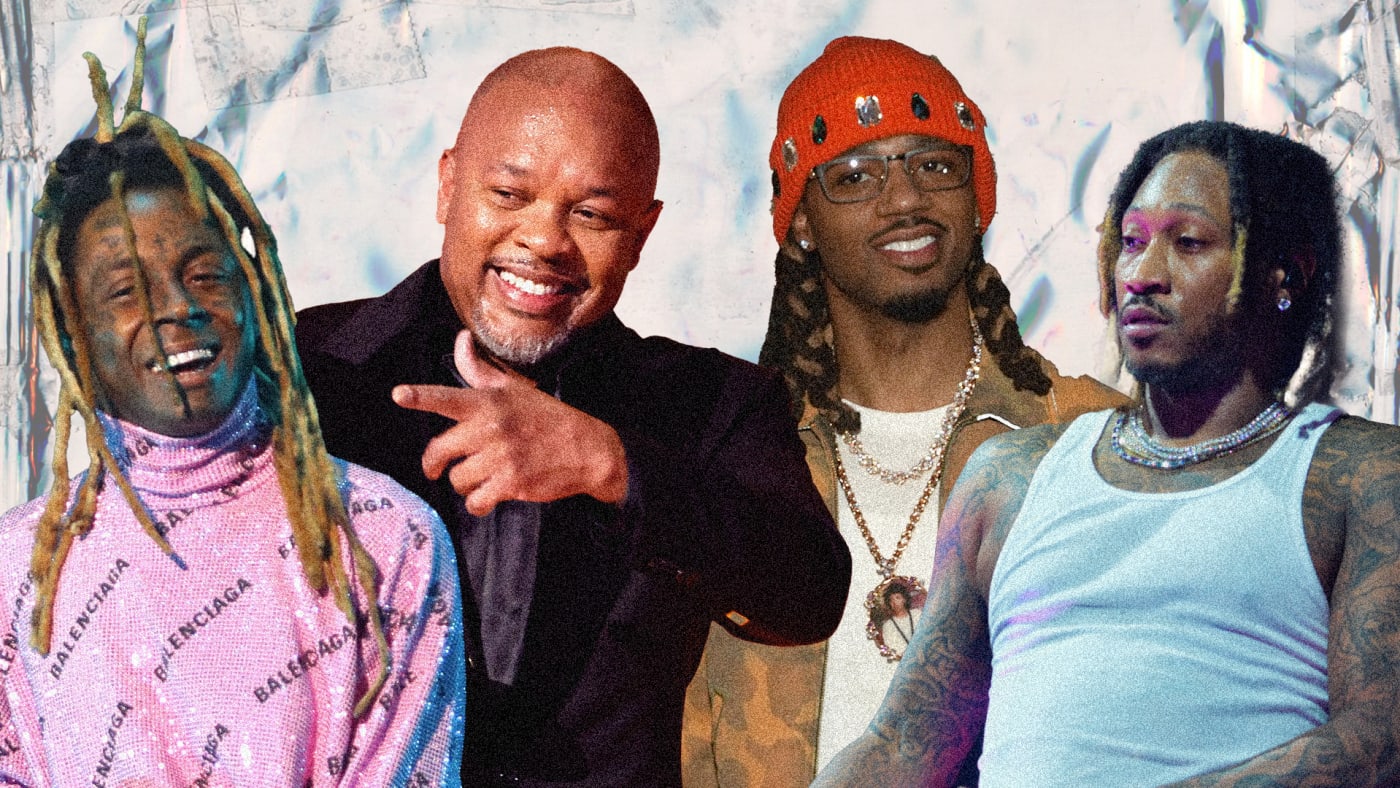
The rise of music catalog sales has become a hot topic in the music industry, especially in the world of hip hop. With major deals happening left and right, it seems like every other week there's a new story of an artist cashing out on their life's work.
But what exactly does it mean for an artist to sell their catalog? And what does it mean for the future of the music industry as a whole?
First, let's break down what we mean by "catalog." In the music industry, a catalog refers to a collection of an artist's songs, typically consisting of their entire recorded output up to a certain point.
This includes not just their albums, but also any singles, features, or other guest appearances they may have made. When an artist sells their catalog, they are essentially selling the rights to their entire body of work, including the royalties they would earn from future streams, downloads, or any other usage of their music.So why are so many artists choosing to sell their catalogs?
There are a few reasons. For one, it can be a way to generate a large amount of money upfront, often in the hundreds of millions of dollars. This can be especially appealing for artists who may not be generating as much income from touring or other sources. Additionally, selling a catalog can be a way to pass on financial security to future generations or to make charitable donations.But there are also potential downsides to selling a catalog. For one, it means giving up control over one's music and potentially losing out on future earnings if the catalog is sold for less than it's worth.
There's also the risk that the new owners of the catalog may not treat the music with the same level of care or respect as the original artist. And as more and more artists sell their catalogs, it could lead to a consolidation of power among a small group of owners, potentially limiting the diversity of voices and perspectives in the music industry.Despite these concerns, the trend of catalog sales shows no signs of slowing down. Just in the past few months, we've seen major deals like Lil Wayne's reported $100 million sale of his Young Money catalog and Universal Music Group's acquisition of Bob Dylan's entire catalog for an estimated $300 million.
And it's not just established artists cashing out - up-and-comers like 21 Savage and Lil Nas X have also reportedly sold portions of their catalogs.So what does all of this mean for the future of hip hop and the music industry as a whole? On one hand, it could be seen as a positive development for artists who are able to secure financial stability through their life's work.
But it also raises questions about who will control the music that shapes our cultural landscape, and what impact that might have on the diversity and evolution of hip hop as an art form.Ultimately, the decision to sell a music catalog is a deeply personal one for each artist to make. But it's important to consider the potential implications of such a decision, both for oneself and for the industry as a whole.
As fans, it's up to us to support the artists we love and to demand that their music is treated with the respect and value it deserves. And for aspiring artists